


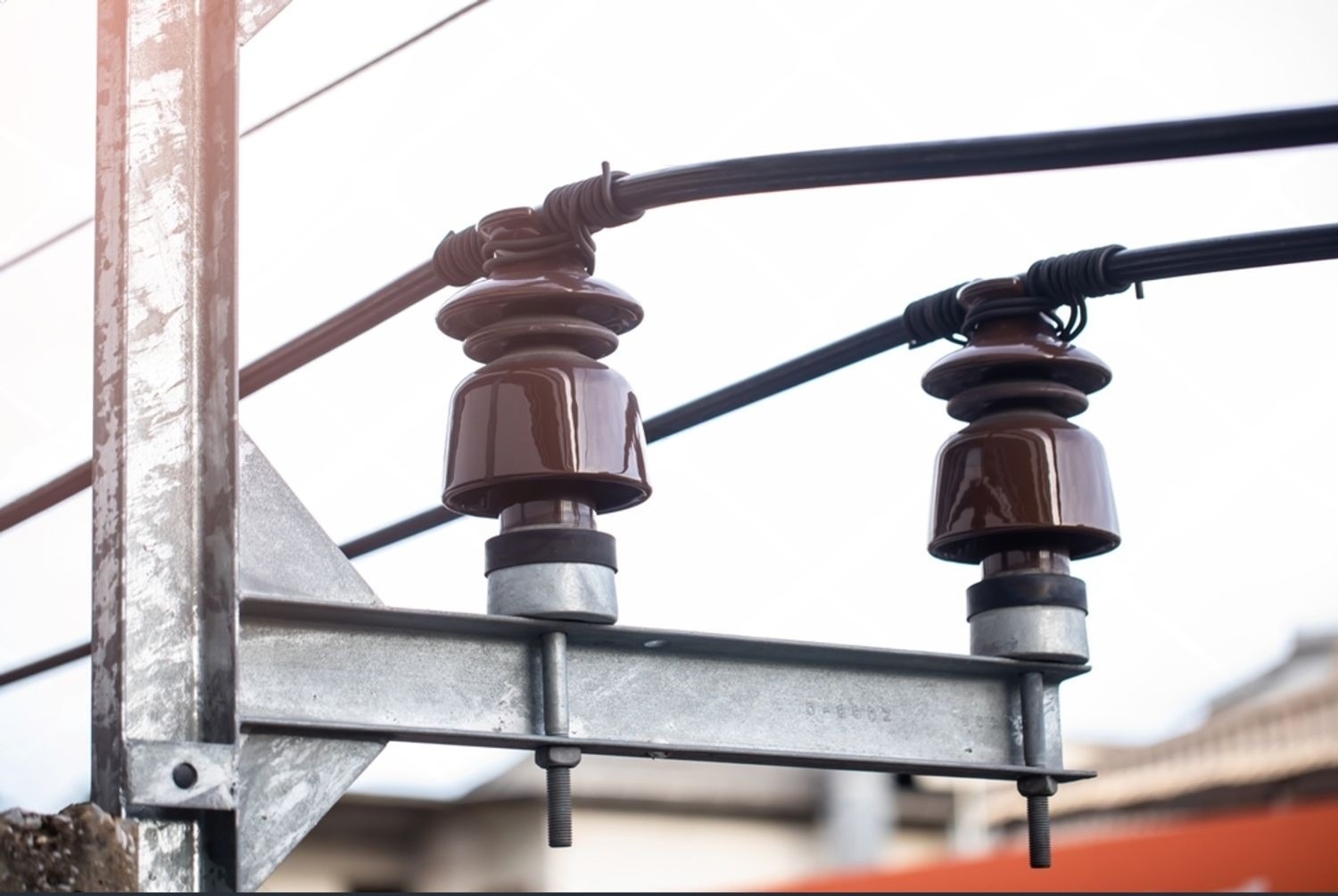
06 Nov The Evolution of Insulators – From Porcelain to Polymer
Insulators are among the most essential yet often overlooked components in the power sector. They ensure safe and efficient transmission of electricity by preventing current leakage and maintaining mechanical stability in power lines. Over the last few decades, the industry has witnessed a major transformation — moving from traditional porcelain insulators to advanced polymer composites.
At Hindustan Chemicals, we have been part of this evolution for nearly five decades, manufacturing both Porcelain and Polymer Insulators that serve utilities, OEMs, and global power infrastructure projects.
The Era of Porcelain Insulators
Porcelain insulators have been the backbone of electrical networks for more than a century. Their mechanical strength, resistance to heat and moisture, and excellent dielectric properties made them the preferred choice for overhead transmission and distribution systems.
At Hindustan Chemicals, our porcelain insulators are produced from high-grade clay and raw materials, fired at precise temperatures to achieve optimum density and strength. Each piece undergoes rigorous mechanical and electrical testing to ensure long-term reliability in outdoor environments.
The Shift Toward Polymer Insulators
With technological advancements and the demand for lighter, more flexible materials, polymer (composite) insulators emerged as a next-generation solution. They consist of a fiberglass core with an outer housing made of silicone rubber, offering significant advantages over traditional ceramics.
Key Benefits include:
- Reduced weight for easier handling and installation
- Superior contamination resistance (ideal for coastal or industrial zones)
- Excellent hydrophobicity and UV resistance
- Resistance to vandalism and breakage
Hindustan Chemicals has developed a range of polymer insulators up to 33 kV, using high-quality silicone rubber compounds formulated for performance in diverse Indian and tropical conditions.
Porcelain vs Polymer: Choosing the Right Technology
Each type of insulator has its ideal application:
Porcelain remains unmatched for long-term thermal and mechanical endurance.
Polymer excels in environments requiring lightweight, high-contamination-resistant designs.
Our engineering team works closely with utilities and contractors to recommend the right solution based on voltage class, environmental conditions, and operational needs.
Hindustan Chemicals – Bridging Tradition and Innovation
For 50 years, Hindustan Chemicals has combined time-tested porcelain technology with modern polymer innovation, ensuring that every product delivers reliability, safety, and long service life.
Whether it’s a distribution line, substation, or switchgear assembly, our insulators are designed to meet British, Indian, ANSI, and IEC standards, serving customers across Asia and Africa with pride.
Conclusion
The evolution from porcelain to polymer reflects the power industry’s continuous pursuit of efficiency and durability. At Hindustan Chemicals, we’re proud to be a part of this transformation — and we remain committed to driving innovation that keeps the world connected, safely and sustainably.
No Comments